Loading image...
The Souss-Massa Regional Council approves a 417 million‑dirham loan to fund water‑security projects.
In its regular March 2026 session, the regional council approved new funding to strengthen water infrastructure in response to the growing challenges of water stress.
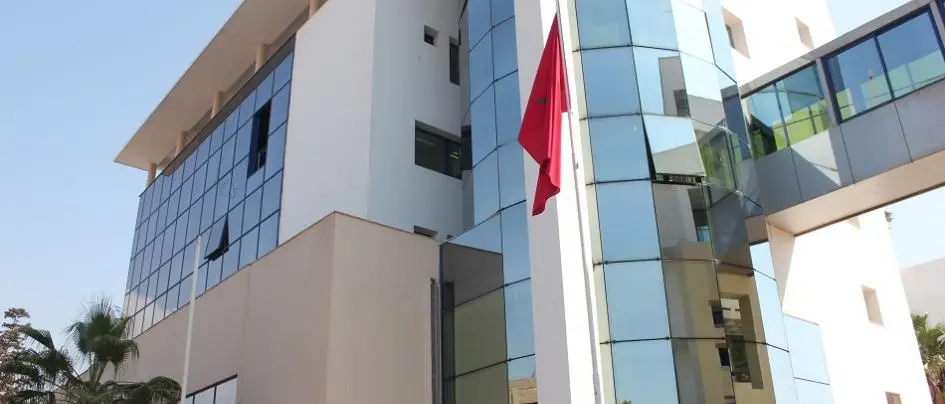
The Souss-Massa Regional Council approved a new loan from the Municipal Equipment Fund (FEC) amounting to 417 million dirhams, intended to finance projects aimed at strengthening water security in the region, during the ordinary session of March 2026 held last Monday at the prefecture headquarters in Inezgane‑Aït Melloul.
The loan includes 375 million dirhams to fund a project focused on the construction of small dams and hilltop lakes, as part of support for hydraulic infrastructure and the strengthening of water‑resource management capacities in the face of water‑stress challenges. An additional allocation of 42 million dirhams will be dedicated to connecting the Aït Baha area to the drinking‑water network from a seawater desalination plant.
This loan is part of a series of financings that the regional council has used in recent years through the FEC to fund various development projects. The council had previously approved loans of 363 million dirhams in 2025 and 149.3 million dirhams in 2021, intended to finance different initiatives, including the development of the Taghazout resort and the continuation of the urban development program.
This new loan adds to other financings approved in previous sessions, notably a 1.176‑billion‑dirham loan adopted during the ordinary session of October 2024, as well as another approved in an extraordinary session on 16 November 2023, capped at 2.09 billion dirhams, all sourced from the Municipal Equipment Fund.
Observers note that the region’s reliance on borrowing to fund projects linked to the regional development plan reflects the magnitude of investment needed to meet development and infrastructure challenges. However, the succession of these loans raises questions about the region’s future debt levels, especially as the financial obligations may be transferred to the next elected mandate, according to seasoned regional‑affairs observers.
Source: Eddiwane Essahafi