Loading image...
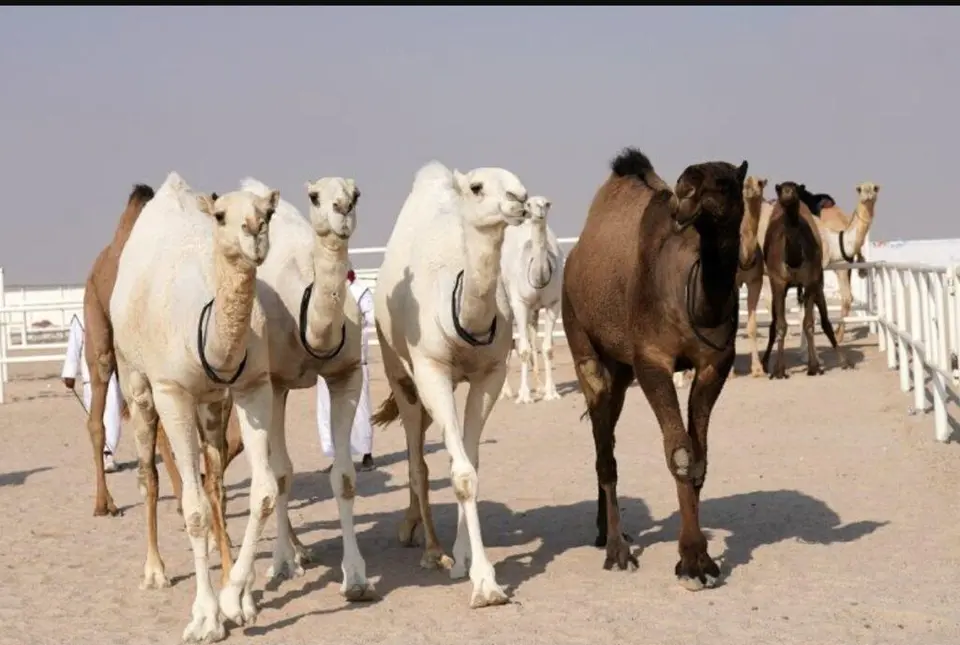
Dromedary prices are climbing in the Southern provinces, as limited supply reignites the debate over import licences.
The kilogram of dromedary meat exceeds 150 dirhams in Laâyoune, while the price of an animal has risen from about 18,000 to nearly 22,000 dirhams.
Prices of dromedaries and their meat have seen a notable increase in the southern provinces of the Kingdom, amid a relative decline in supply and rising acquisition costs of the animals in their countries of origin, which has directly impacted local market prices.
In Laâyoune, the price per kilogram of dromedary meat has exceeded 150 dirhams at several butchers, alongside higher acquisition costs: the price of a animal has risen from around 18,000 dirhams to nearly 22,000 dirhams according to available data.
A debate over supply sources
This surge has reignited discussion about the supply sources for markets in the southern provinces, particularly the volumes of livestock imported from Mauritania and the procedures for obtaining import licences. The local market depends heavily on external supply to meet demand.
According to circulating data, dromedary import licences are concentrated in the hands of only two importers, raising questions about the criteria for granting these authorisations and the effect of a limited number of operators on competition and the level of supply. This concentration does not necessarily imply an infringement or monopoly, but it opens the debate on the impact of market structure on the final price to the consumer.
Health control
Imported dromedaries are subject to health procedures, including veterinary monitoring at the borders under the supervision of the National Office for Food Safety, with a 40‑day observation period before market release is authorised.
Between rising acquisition costs and retail prices exceeding 150 dirhams per kilo, the gap widens between purchase price and consumer price, raising concerns about meeting the needs of residents in the southern provinces.