Loading image...
Imsouane: Access to Potable Water and Sanitation Management Hamper the Development of the Fishing Village
Despite the projects undertaken by the sailors' cooperative, the landing point remains without drinking water and depends on traditional pits that fill up in less than fifteen days.
The Imsouane Fishermen’s Cooperative for Artisanal Fishing has launched a series of structural reforms and its own initiatives aimed at modernising and upgrading the infrastructure of the designated landing site, which falls under the administrative authority of the Maritime Fishing Delegation of Agadir. These works have included repairing the ice plant to ensure the quality of catches, renovating the lighting network, repainting and beautifying the port areas, and installing an advanced surveillance camera system to strengthen security and protect fishermen’s assets.
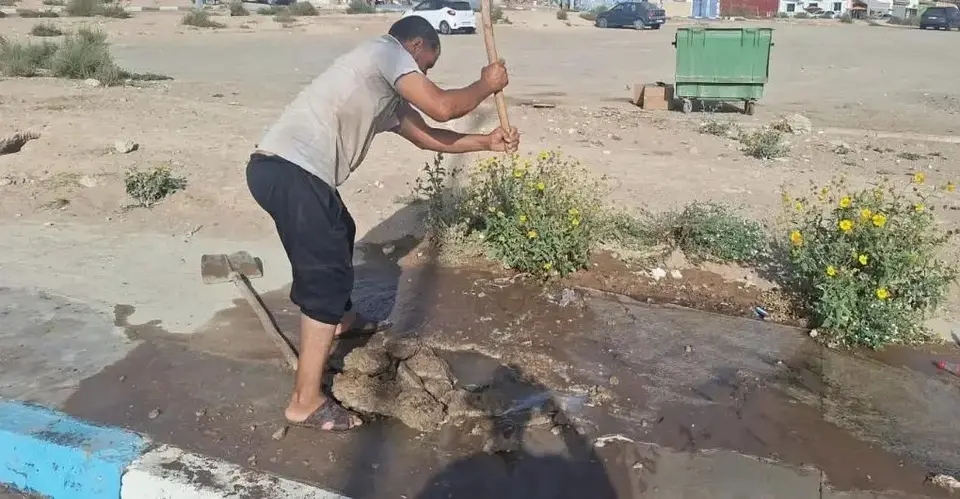
Despite these logistical efforts, the environmental and professional situation in the fishing village of Imsouane remains marked by severe constraints. At the forefront of these difficulties is the sanitation problem: although the National Ports Agency connected the landing site to the sewerage pipelines, the connection work was never completed for unknown reasons. Waste‑water and sanitation management therefore relies entirely on traditional pits known locally as “matmoura.” The crisis is exacerbated by the fact that these pits fill up very quickly—within less than fifteen days—raising the spectre of an environmental and health disaster around the landing site.
The cooperative faces numerous complications and high costs when attempting to drain these pits. Professionals are forced to pay fees to the municipality to carry out the emptying, especially since modern trucks and suction equipment must be brought in from distant cities such as Agadir, Essaouira or Casablanca, due to the lack of local logistical resources. This consumes a great deal of time and adds to the financial burden on the fishermen.
In this context, Hafid Boussenan, president of the Imsouane Fishermen’s Cooperative for Artisanal Fishing, said that this deteriorating situation is accompanied by another equally serious obstacle: a total lack of drinking water inside the port. He explained that this water shortage creates major complications that paralyse normal marine activities and jeopardise daily hygiene and working conditions for fishermen, both on their vessels and in the landing and marketing areas, not to mention the sanitary facilities.
The cooperative’s president called for moving beyond the logic of temporary solutions, stressing that these major structural issues require decisive intervention involving the National Ports Agency (ANP), the Ministry of Equipment and Water services, and the local authorities. According to him, only the combined effort of these three parties can address the problem at its root and connect the port to water and liquid‑waste networks, thereby putting an end to improvised measures and upgrading the village of Imsouane.